Regulatory Influences on Evolving Reward Structures in the British Online Gambling Sector
Written by Casey Hoffmann · Aug 24, 2026

Regulatory Influences on Evolving Reward Structures in the British Online Gambling Sector
Regulatory frameworks across multiple jurisdictions continue to reshape how operators structure rewards in the British online gambling market, with adjustments to bonus mechanics, wagering thresholds, and promotional transparency emerging as direct responses to compliance demands. Data from industry reports shows operators adapting welcome offers and ongoing incentives to align with stricter affordability assessments while maintaining competitive appeal, and figures reveal a measurable decline in high-value deposit matches since 2023 alongside growth in time-limited free play options that carry lower financial risk profiles.
Shifts in Bonus Design Under Compliance Pressures
Operators have adjusted reward structures to incorporate mandatory cooling-off periods and clearer disclosure of playthrough conditions, moves driven by broader European Union directives on consumer protection that influenced parallel UK policies. According to analyses from the Canadian Centre on Substance Use and Addiction, similar regulatory tightening in North American markets led to streamlined cashback programs that prioritize partial refunds over full stake returns, a pattern observers note has appeared in British platforms through modified reload bonuses tied to verified spending limits rather than unlimited deposit volumes.
Those who've tracked these developments point to reduced emphasis on no-deposit credits, which data indicates now appear less frequently in marketing materials because rules require operators to verify player eligibility before any funds activate. This change connects directly to requirements for integrated responsible gambling tools, and companies respond by embedding bonus activations within account dashboards that flag potential harm indicators in real time.
Impact on VIP and Loyalty Programs
VIP escalators and tiered reward systems face particular scrutiny because regulators demand evidence that higher-level perks do not encourage excessive play among at-risk groups. Research from the University of Sydney's Gambling Research Unit found that loyalty schemes incorporating mandatory breaks or expenditure caps maintained retention rates while reducing complaint volumes, prompting British operators to introduce similar gated access to cashback multipliers and accumulator boosts. These adaptations appear in seasonal promotions where fixture-based free bets now include automatic eligibility checks that pause rewards during detected high-frequency sessions.
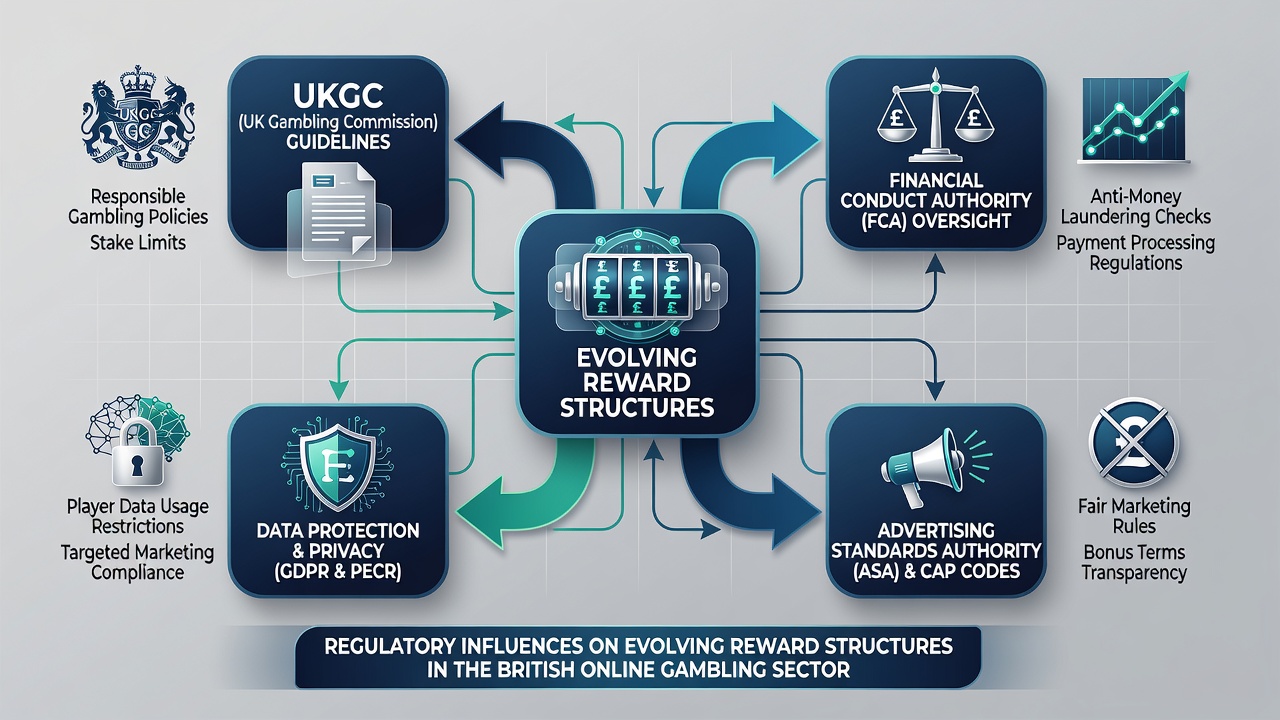
Payment method incentives also reflect these pressures, with debit card multipliers gaining preference over e-wallet variants because verification processes align more closely with source-of-funds checks. Industry figures show a steady migration toward these options in ongoing schemes, while cross-platform fusions of casino spins and sports cashback now route through single verification layers to satisfy overlapping rules from different product categories.
Future Adjustments Anticipated by August 2026
Policy updates scheduled for implementation around August 2026 are expected to introduce standardized metrics for evaluating bonus value against average player losses, which will likely accelerate the move away from complex playthrough hurdles toward simpler, fixed-percentage returns. Observers note that operators already testing these formats in pilot programs report smoother compliance audits and fewer disputes over withdrawn winnings, trends that parallel findings from Australian regulatory reviews on reward transparency. Leaderboard challenges and mission-driven paths to free spins have begun incorporating these metrics, with points systems calibrated to cap total exposure per calendar month rather than allowing unlimited accumulation.
Invite-a-friend mechanisms and newsletter exclusives similarly evolve under the same umbrella, shifting from deposit-free credits to matched play credits that activate only after standard identity confirmation. Data indicates these tweaks preserve engagement levels while meeting requirements for clear terms that players must acknowledge before participation.
Conclusion
Overall patterns demonstrate that regulatory influences continue to drive measurable evolution in reward structures, with British operators refining offers to balance commercial goals against compliance obligations through data-informed adjustments and integrated safeguards. Evidence from multiple jurisdictions suggests these changes produce more sustainable incentive models that prioritize verified activity over volume-driven promotions.