Navigating UK bonus ecosystems through algorithmic personalization and regulatory filters
Written by Casey Hoffmann · Aug 26, 2026
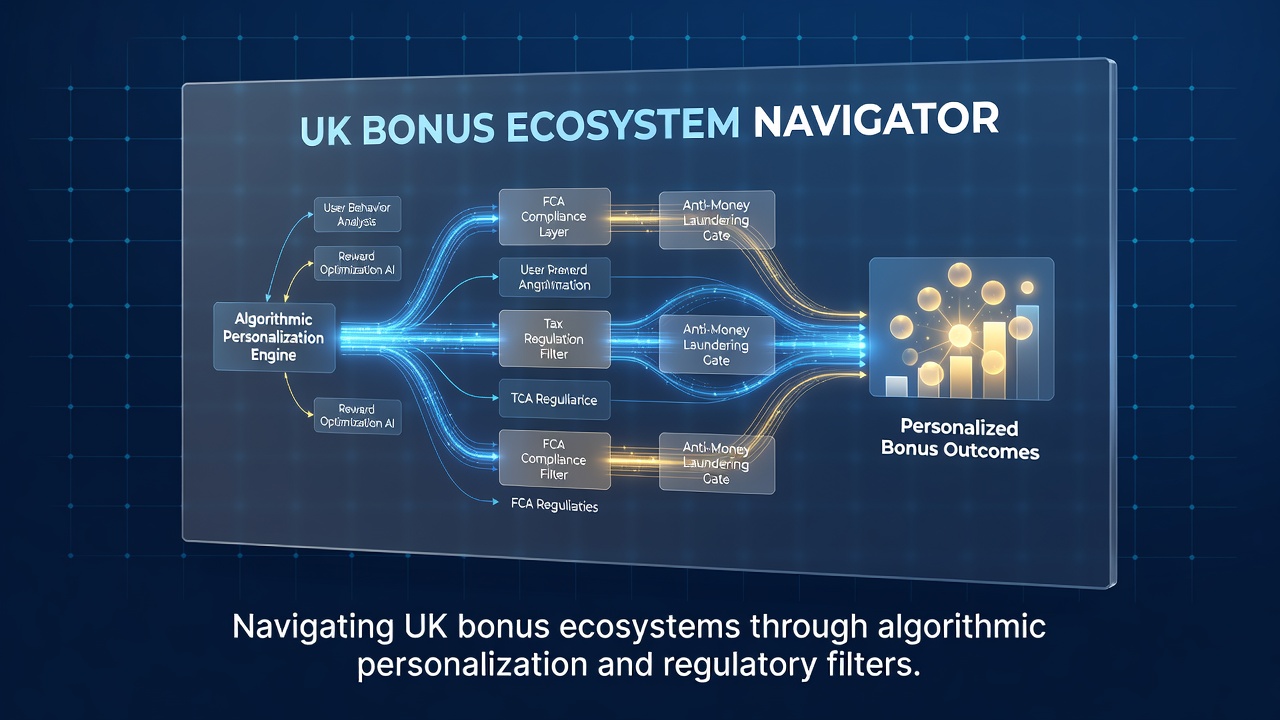
Navigating UK bonus ecosystems through algorithmic personalization and regulatory filters
UK gambling operators rely on algorithmic systems that process vast datasets on player deposits, session durations, and game preferences to generate tailored bonus offers while regulatory filters screen those offers for compliance with data privacy rules and responsible gaming mandates. These systems draw from behavioral signals collected across apps and websites, then apply machine learning models to predict which incentives might encourage continued play without breaching spending limits already flagged in user profiles.
How algorithmic personalization operates in practice
Operators feed transaction histories, clickstream data, and device identifiers into recommendation engines that segment users into clusters based on risk tolerance and activity frequency. One cluster might receive reload multipliers on midweek slots because the model detects consistent small deposits, whereas another cluster sees accumulator boosts tied to live sports events because past patterns show higher engagement during fixtures. The process runs continuously, refreshing offers as new data arrives, so a player who shifts from slots to live dealer tables in August 2026 could notice an automatic swap from free spins to cashback on table games within the same week.
Researchers at the University of Nevada, Las Vegas documented similar clustering techniques across multiple jurisdictions and noted that accuracy improves when platforms combine first-party data with anonymized aggregate trends supplied by third-party analytics firms. Those improvements allow finer adjustments, such as capping bonus value for users whose recent activity already exceeds internal velocity thresholds, thereby aligning personalization with external oversight requirements.
Regulatory filters that shape which offers reach players
Before any personalized bonus appears in an inbox or app notification, automated compliance layers review the proposal against rules on maximum stake contributions, playthrough multipliers, and eligibility criteria tied to age verification status. Filters also cross-check whether an offer would violate data-sharing limits established under broader European data protection standards, even when the operator is based outside the EU. When an algorithm proposes a high-value reward for a user whose profile indicates recent heavy losses, the filter may downgrade or withhold that reward until additional responsible-gaming prompts have been acknowledged.
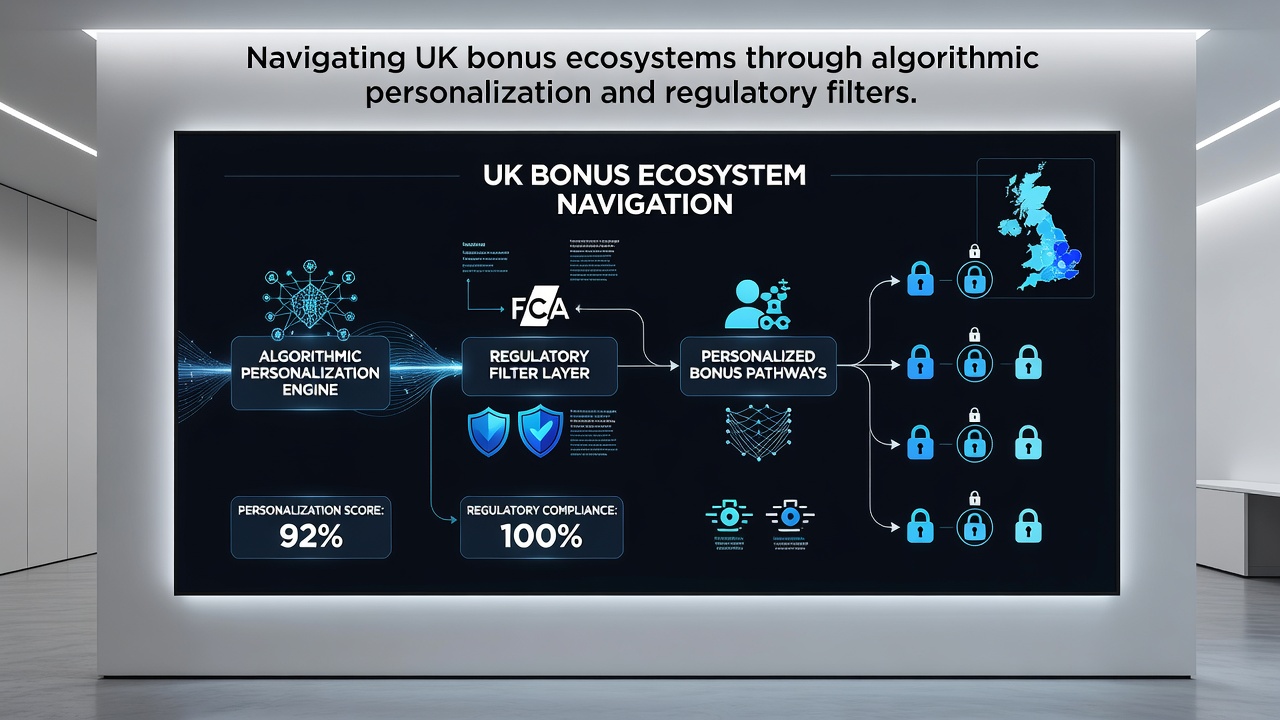
Industry reports compiled by the Remote Gambling Association in 2025 highlighted that these filter layers now process more than ninety percent of bonus proposals in real time, reducing manual review cycles for operators. The same reports observed that platforms operating across multiple licensing regimes must maintain parallel rule sets, so an offer cleared for one market may be automatically suppressed for another without human intervention. Observers note that the speed of these checks has become essential as operators scale their personalization engines to handle millions of daily micro-campaigns.
Interaction between personalization engines and oversight mechanisms
Algorithmic outputs and regulatory filters operate in a feedback loop. When a filter blocks a proposed offer, the system logs the rejection reason and retrains the model to avoid similar proposals for comparable user segments in the future. This loop tightens over successive iterations, producing offers that already embed compliance constraints before they reach the final review stage. Data from the Australian Communications and Media Authority on cross-border iGaming platforms shows parallel developments, where operators that integrated filter feedback early achieved faster approval times for new bonus structures.
Those who have studied the technical architecture describe the filters as modular rule engines that can be updated independently of the personalization core. A change in deposit-limit rules, for example, can be deployed across all offers without retraining the underlying clustering models, allowing operators to adapt quickly when guidance from multiple regulators shifts simultaneously. In August 2026 several platforms completed such updates within forty-eight hours, demonstrating the separation between the creative and compliance layers.
Player visibility and downstream effects
Users encounter the results of this interplay as a stream of seemingly unique promotions that nevertheless conform to standardized responsible-gaming parameters. A player might receive a tailored deposit match one day and a game-specific cashback tier the next, yet both offers will carry identical wagering caps and time limits enforced by the filter layer. The consistency across variations helps maintain platform-wide adherence even as individual experiences diverge.
Academic analyses of these systems emphasize that transparency features, such as in-app explanations of why an offer appeared, have become standard practice. These explanations typically reference aggregated behavioral categories rather than individual data points, satisfying disclosure expectations without exposing proprietary model logic. Observers note that platforms displaying such explanations record higher retention among users who previously expressed concerns about data usage.
Conclusion
Algorithmic personalization and regulatory filters together define the operational boundaries of UK bonus ecosystems, with each component continuously informing the other through automated loops and modular updates. As platforms refine their data models and regulators adjust compliance parameters, the visible offers reaching players reflect an increasingly precise balance between commercial targeting and mandated safeguards. The pattern observed through 2026 indicates that further integration of real-time filtering will continue to shape how incentives are generated, reviewed, and delivered across the market.