Mapping retention dynamics through tiered incentive ladders in British online gaming ecosystems
Written by Taylor Werner · Oct 26, 2026
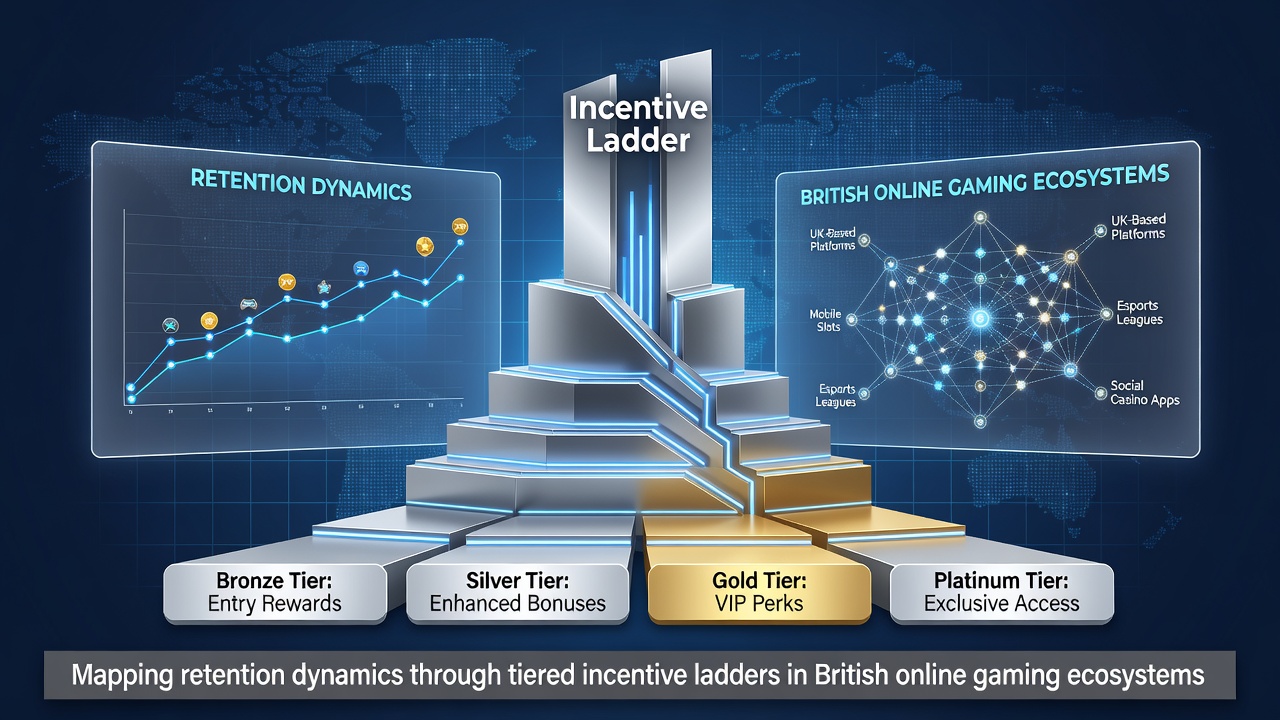
Mapping retention dynamics through tiered incentive ladders in British online gaming ecosystems
Operators across British online gaming platforms structure retention strategies around tiered incentive ladders that assign players to progressive levels based on accumulated activity metrics, and these systems track engagement patterns through point accumulation tied to deposits, wagers, and session frequency while offering escalating benefits at each stage. Data from industry analyses indicate that such ladders maintain player presence by converting initial participation into sustained patterns, with lower tiers delivering entry rewards that transition into higher-value perks as activity thresholds are met.
Structure of Tiered Systems in Practice
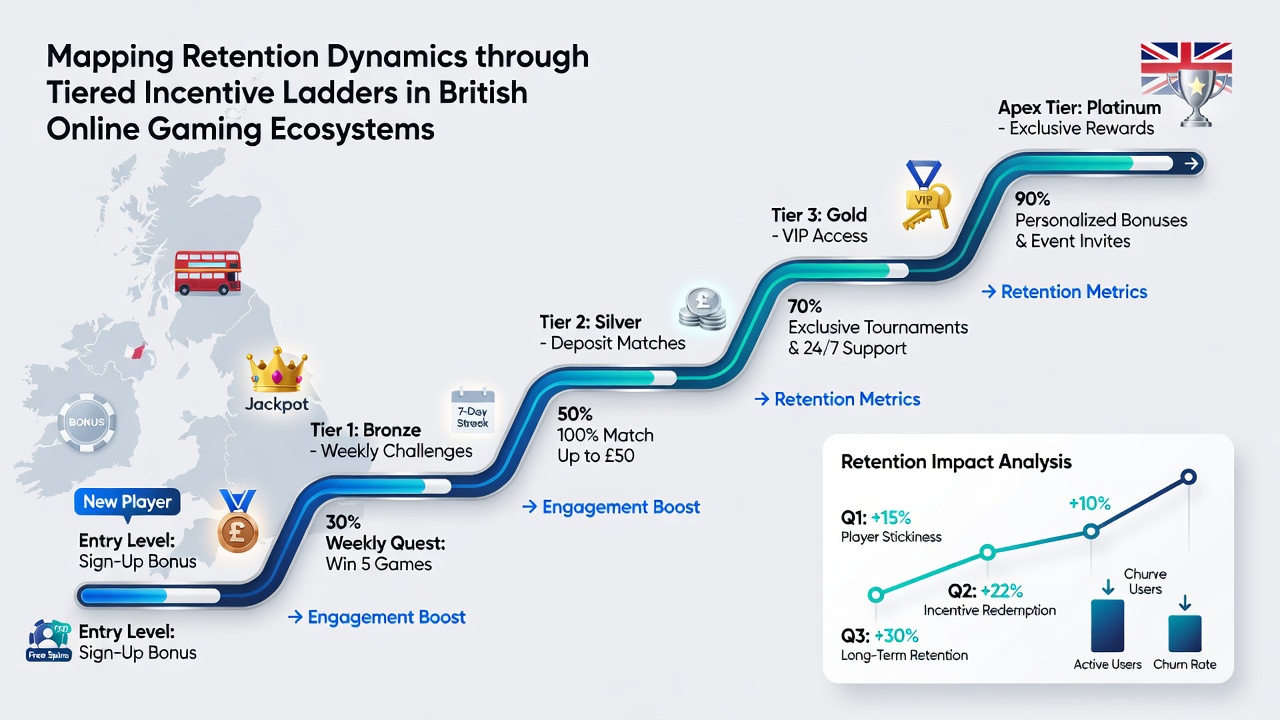
British platforms define tiers through criteria like total wager volume and login consistency, whereas bronze or entry levels grant basic multipliers on returns, and silver stages introduce accelerated point earnings along with access to exclusive events. Observers note that ascent requires meeting specific playthrough benchmarks within defined periods, and this mechanic creates measurable retention curves where players who reach mid-tiers demonstrate extended account activity compared to those who remain at base levels. Research indicates that platforms calibrate these thresholds using aggregated user data to align rewards with typical engagement trajectories.
Retention Mapping Through Data Layers
Analysts map retention by correlating tier progression rates with churn indicators, and figures reveal that players advancing through three or more tiers within a six-month window exhibit retention rates exceeding baseline averages by measurable margins. Platforms employ dashboards that segment cohorts by entry tier and track metrics such as average session length alongside deposit frequency, while adjustments to ladder incentives occur when data shows stagnation at particular levels. One study from the Victorian Responsible Gambling Foundation highlights similar segmentation approaches in comparable markets where tier velocity directly influences long-term platform loyalty.
What's notable is how these ladders incorporate feedback loops, since players receive real-time progress notifications that reinforce continued participation, and this element connects directly to higher-tier unlocks such as personalized account managers or priority support channels. Experts have observed that retention strengthens when ladders integrate cross-game activity, allowing points earned in one category to contribute toward overall tier status without isolated resets.
October 2026 Trends in Ladder Implementation
As of October 2026, several British operators have refined tier algorithms to incorporate seasonal activity peaks, and these updates adjust point multipliers during high-traffic periods to accelerate progression for active users. Industry reports show that platforms now integrate predictive modeling to forecast when players approach tier boundaries, delivering targeted prompts that reduce drop-off at critical thresholds. Data indicates sustained interest in these refinements, particularly among cohorts that previously plateaued at intermediate levels.
Comparative Dynamics Across Platforms
Different ecosystems apply varying ladder depths, with some maintaining five distinct tiers and others extending to seven or more, and this variation affects how quickly players encounter meaningful reward shifts. Researchers discovered that shallower ladders produce faster initial retention gains, whereas deeper structures sustain engagement over longer cycles by spacing out premium benefits. Platforms monitor these differences through A/B testing of tier spacing, and outcomes feed into broader retention strategies that emphasize gradual value escalation rather than abrupt jumps.
Those who've examined user flows across multiple sites find that ladder transparency plays a measurable role in progression speed, since clear milestone communication encourages players to adjust behavior toward next-level requirements. And yet retention mapping also accounts for external factors such as payment method preferences that influence deposit consistency and, by extension, tier advancement rates.
Integration With Broader Ecosystem Tools
Tiered ladders rarely operate in isolation, and they connect with analytics platforms that overlay retention data onto demographic segments to identify which incentive combinations drive the strongest cohort retention. According to findings published by the National Council on Problem Gambling, structured reward progressions contribute to predictable engagement patterns when paired with clear eligibility rules. This linkage allows operators to refine ladder parameters in response to observed shifts in player behavior across the British market.
Conclusion
Tiered incentive ladders serve as core mechanisms for mapping and sustaining retention in British online gaming ecosystems, with progression data providing operators clear indicators of engagement health. Continued refinement of these systems through performance metrics ensures alignment between player activity and reward delivery, and ongoing analysis supports adjustments that maintain ladder relevance amid evolving platform usage patterns.