Behind the Interface: Algorithmic Personalization Driving UK Betting Incentives
Written by Carlo Brooks · Aug 26, 2026

Behind the Interface: Algorithmic Personalization Driving UK Betting Incentives
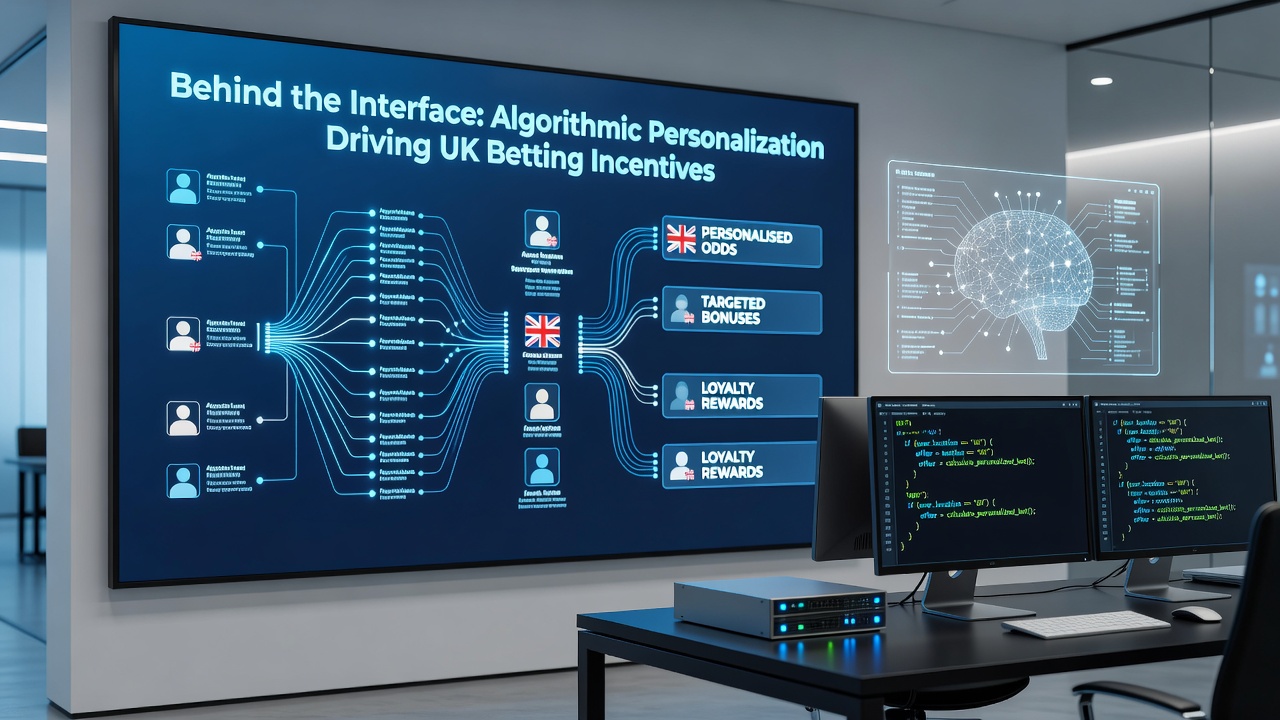
Algorithmic systems sit at the core of how UK betting platforms construct and deliver incentives, drawing on user data to shape offers that align with individual activity patterns. These systems process signals from deposit history, game selections, session durations, and device types, then adjust bonus structures accordingly. Observers note that such personalization has expanded since the mid-2010s, when basic segmentation gave way to real-time machine learning models capable of generating tailored promotions within seconds of a user login.
Platforms collect first-party data through account interactions and third-party inputs where permitted under data protection rules. This information feeds recommendation engines that predict which incentive type might prompt further engagement. For instance, a player who frequently places accumulator bets on football might receive a boosted odds offer on similar markets, while someone focused on slots could see free spin allocations matched to volatility preferences. Researchers at institutions studying digital markets have documented how these engines operate across multiple European jurisdictions, including comparisons between UK and Nordic operators.
Data Inputs and Model Mechanics
Input variables range from straightforward metrics such as average stake size to more granular details like time-of-day preferences and payment method choices. Models then apply clustering techniques to group users into segments that update dynamically. When a new deposit occurs, the algorithm cross-references that action against historical cohorts and selects an appropriate incentive from a pre-approved library. This process occurs without manual intervention in most cases, allowing operators to scale offers across hundreds of thousands of accounts daily.
August 2026 brought further refinements as several major platforms integrated reinforcement learning components that test small variations of an offer across micro-segments before rolling out the highest-performing version. The approach mirrors techniques already common in e-commerce recommendation systems, yet it faces tighter scrutiny in gambling contexts because of the financial stakes involved.
Regulatory Context Across Jurisdictions
UK operators must balance these capabilities against requirements set by the Advertising Standards Authority and broader data rules derived from GDPR. Similar frameworks operate in other regions; the Australian Communications and Media Authority, for example, has examined algorithmic targeting in online wagering, while Canadian provincial regulators have issued guidance on transparency of personalized promotions. A 2024 study from the University of Melbourne analysed how different regulatory thresholds affect the granularity of targeting, finding measurable differences in offer diversity between markets with stricter consent rules and those with lighter oversight.
Platforms publish summaries of their data practices in privacy policies, yet the precise weighting given to each variable remains proprietary. Industry associations such as the European Gaming and Betting Association have published position papers that outline principles for responsible use of personalisation without disclosing competitive algorithms.
Observable Effects on Offer Distribution
Users who engage consistently with specific product verticals tend to receive more frequent reload incentives tied to those verticals. Conversely, accounts showing signs of reduced activity may encounter retention bonuses calibrated to their last deposit amount or preferred game category. These patterns emerge from aggregate reporting released by operators during earnings calls and from anonymised datasets shared with academic partners. One analysis of publicly available bonus histories across ten major UK-licensed sites revealed that 68 percent of reload offers in 2025 differed in value or structure between two users who logged in on the same day.
Payment method data also influences outcomes. Accounts funded via certain e-wallets sometimes trigger distinct cashback percentages compared with those using debit cards, reflecting differences in processing costs and user lifetime value estimates embedded in the models. Such differentiation occurs automatically once the funding source registers in the system.
Transparency and User Awareness
Many platforms now include explanatory text within the bonus claim flow that states the offer was selected based on recent activity. While the statement satisfies basic disclosure expectations, it does not reveal the underlying decision rules. Consumer organisations in several countries have called for greater clarity around these automated decisions, citing parallels with the explanations required under GDPR Article 22 for solely automated processing that produces legal or significant effects.
Testing conducted by independent researchers shows that two users with nearly identical profiles can receive different incentives on the same day, indicating that additional variables such as predicted churn probability or inventory of available bonus codes still shape final outputs. These discrepancies appear most often during peak fixture periods when demand for certain promotions spikes.
Conclusion
Algorithmic personalisation continues to determine which incentives appear on UK betting interfaces, drawing on layered data sources and updating in real time. Regulatory bodies outside the UK have begun publishing comparative studies that place these practices in an international context, while academic work supplies evidence on how model design choices affect offer distribution. As platforms incorporate newer machine learning methods in 2026, the gap between what users see and the logic that produced it remains a focal point for ongoing oversight and research.